
Katy Raven, BACP, NCPS
Katy Raven offers a person-centred, pluralistic approach that puts the client's pace and needs first.
- Stress & Anxiety
- Relationship issues
- Trauma and Abuse
- +3 more
About Katy
Katy Raven offers a person-centred, pluralistic approach that puts the client's pace and needs first. Katy explains things in straightforward terms and creates a calm space for people to talk through what feels hard. She aims to be kind and practical, helping people find small, useful changes that make life easier.
Katy focuses on stress, anxiety and depression, along with relationship struggles and the effects of trauma and abuse. She also supports people facing big life changes and those coping with chronic pain, illness or disability.
Background and approach
Communication problems, workplace pressure and feelings of isolation are common topics she helps people untangle. Her practice draws on exploring past experiences and noticing how they affect present behaviour and thinking. Sessions look at patterns that keep problems going and test different ways of responding.
The pace is set by the person in therapy, and the work adapts to how someone is feeling that day. Katy has three years of practice experience and holds BACP and NCPS credentials. BACP stands for the British Association for Counselling and Psychotherapy and NCPS is the National Counselling and Psychotherapy Society.
She works with adults in the United Kingdom and conducts sessions in English. People can expect a listening style that aims to build a good, reliable connection. Katy offers support for issues such as panic attacks, post-traumatic stress, attachment concerns, guilt and shame, and women's issues.
The focus is on practical steps and clearer understanding rather than rushed fixes.
Registration
| Body | Registration number | Expires |
|---|---|---|
| BACP | 00968506 | Not listed |
| NCPS | NCS19-08807 | August 2026 |
Registration details are as listed on the counsellor's public profile. You can check any number with the registering body.
Sessions and payment
Sessions are held online through our partner platform, by video, phone or messaging depending on the counsellor.
Costs are shown on the partner platform before you commit. If cost is a concern, ask about reduced-fee options.
Focus areas and approaches
What Katy works with
Everything Katy lists, in their own terms.
- Stress, Anxiety
- Relationship issues
- Trauma and abuse
- Depression
- Coping with life changes
- Attachment issues
- Caregiver issues and stress
- Chronic pain, illness, and disability
- Communication problems
- Control issues
- Divorce and separation
- Guilt and shame
- Isolation / loneliness
- Narcissism
- Panic disorder and panic attacks
- Post-traumatic stress
- Social anxiety and phobia
- Women's issues
- Workplace issues
Online support
Another useful element is skills-based work that looks at unhelpful thought patterns and behaviours. This involves noticing triggers, testing small changes and practising alternative responses, which can reduce panic attacks, social anxiety and persistent worry.
Finding the right mix of approaches happens together. Katy treats therapy as a collaboration and will discuss goals, try different methods and adjust the plan based on what helps most. That way the work fits the person's needs, pace and preferences.
Online sessions are offered by video calls, phone sessions, live chat or text-based messaging to make therapy more flexible. Video suits in-depth conversation and visual connection, phone can be easier when bandwidth is limited, live chat supports shorter check-ins and text messaging is useful for ongoing reflection between sessions. These options help people fit therapy around work, caregiving or health needs while keeping the focus on practical, day-to-day progress.
Frequently asked
What concerns does Katy commonly help with?
Katy supports people with stress, anxiety, depression, relationship problems, trauma and abuse, and coping with life changes. She also works with issues like panic attacks, post-traumatic stress, workplace strain and chronic illness.
What is her therapeutic style like?
Her approach is pluralistic and person-centred, so sessions follow the individual's pace and needs. Katy explores past experiences and current patterns to find practical ways to change unhelpful habits.
How much experience does she have?
Katy has three years of clinical practice experience working with complex issues and emotional distress. That background informs how she supports clients through longer-term and acute concerns.
What credentials and region are relevant?
She holds BACP and NCPS credentials and practises in the United Kingdom. BACP is the British Association for Counselling and Psychotherapy and NCPS refers to the National Counselling and Psychotherapy Society.
Which languages and international options are available?
Sessions are offered in English. International clients are not currently accepted.
In what formats are sessions provided?
Therapy is available via video calls, phone sessions, live chat, or text-based messaging to suit different needs and schedules.
How is cost handled?
Cost varies with location and therapist availability and sessions use a subscription model that can be cancelled at any time. Exact pricing depends on the user's chosen plan and region.
How do I begin the process?
To get started, select the Start Therapy button, complete a short matching questionnaire, and then schedule according to the therapist's availability. The matching step helps pair needs and preferences before sessions begin.
Update or remove this listing
Ask us to correct details or take the page down.
Contact usMore counsellors who work with Stress & Anxiety
All of them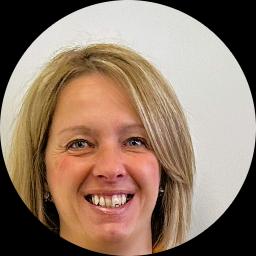
Samantha McEwan
BACP
4 years in practice BACP
Experienced BACP counsellor for stress and trauma
- Stress & Anxiety
- Relationship
- Trauma and Abuse

James Maynard
BACP
3 years in practice BACP
Supportive integrative counsellor for everyday challenges
- Stress & Anxiety
- Trauma and Abuse
- Grief

Ashleigh Brown
BACP
6 years in practice BACP
Practical, compassionate therapy focused on everyday change
- Stress & Anxiety
- Addictions
- Trauma and Abuse